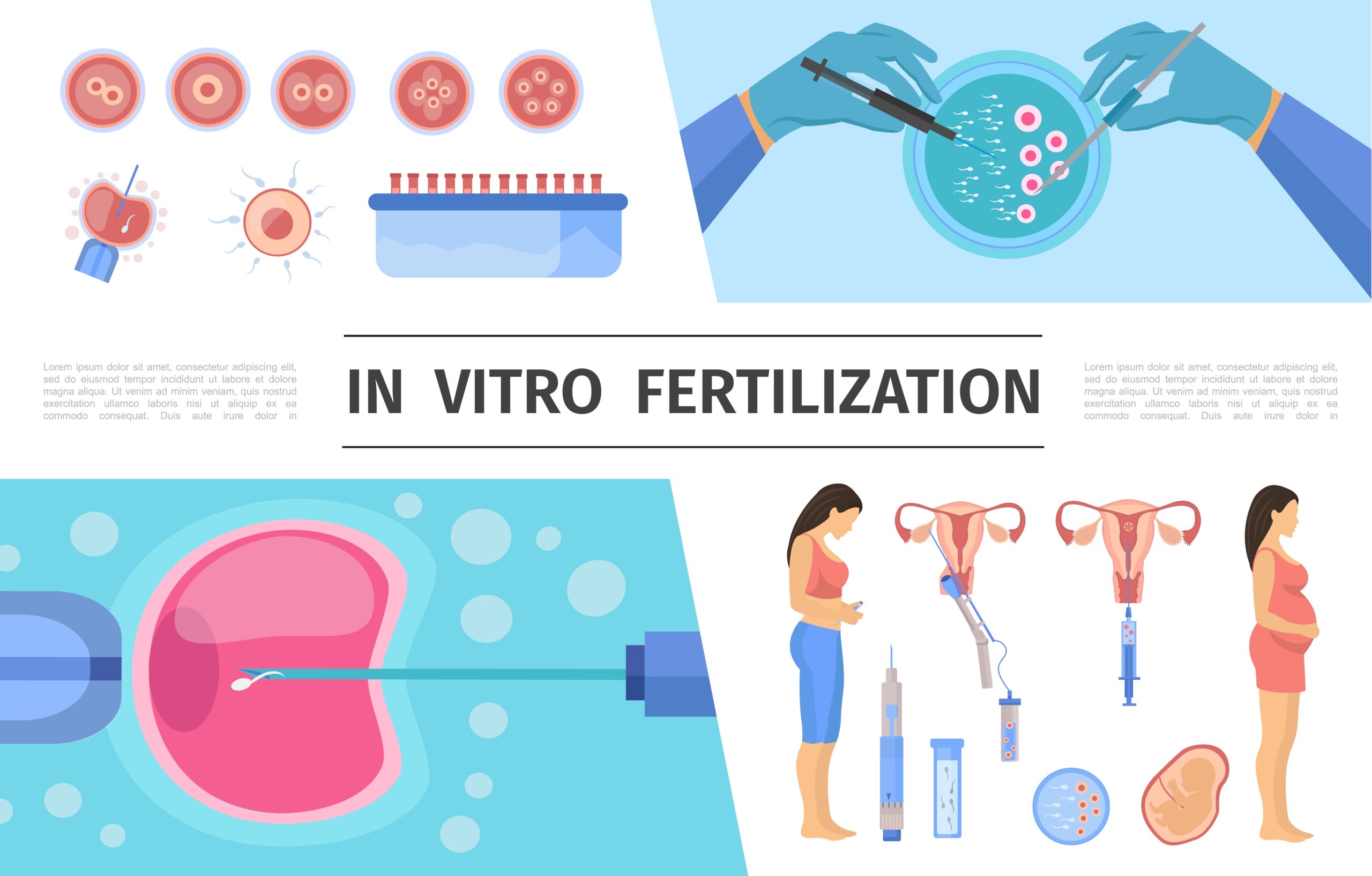
Introduction to Egg Freezing
Egg freezing is a way to save a woman’s eggs for future use. Doctors call this process oocyte cryopreservation. Many women choose egg freezing to protect their fertility. For example, some may want children later in life. Others may need medical treatment that could affect their eggs. Because egg freezing offers hope for future pregnancy, it is becoming more popular. According to the CDC, more women are choosing this option each year.
Who Should Consider Egg Freezing?
Not everyone needs egg freezing. However, some women may benefit more than others. You might consider egg freezing if you:
Still, it is important to talk to a fertility specialist. They can help you decide if egg freezing is right for you.
How the Egg Freezing Process Works
The egg freezing process has several steps. First, you meet with a doctor to discuss your health. Next, you take hormone shots for about 10 to 14 days. These shots help your ovaries make more eggs. Then, doctors collect the eggs in a short procedure. After that, the eggs are frozen and stored safely. Later, you can use these eggs for pregnancy through IVF.
Benefits and Potential Risks
Egg freezing has many benefits. For instance, it gives you more time to plan your family. It can also help women facing medical treatments that may harm fertility. However, there are some risks. These include:
Even though risks exist, most women recover quickly. Always discuss possible risks with your doctor.
Success Rates and Factors Affecting Outcomes
Egg freezing success rates depend on many things. Age is the most important factor. Younger women usually have healthier eggs. According to the American Society for Reproductive Medicine, women under 35 have higher chances of pregnancy from frozen eggs. Other factors include the number of eggs frozen and your overall health. Still, not every frozen egg will lead to a baby. Your doctor can explain your personal chances.
Costs and Considerations
Egg freezing can be expensive. Costs may include:
In the United States, the total cost can range from $6,000 to $15,000 or more. Some insurance plans may cover part of the cost. Therefore, always check with your provider. Many egg freezing clinics in major cities offer payment plans or discounts.
Common Myths and Facts
Lifestyle Guidance Before and After the Procedure
Before egg freezing, it helps to stay healthy. For example, eat a balanced diet and avoid smoking or heavy drinking. Exercise regularly, but avoid intense workouts during hormone treatment. After the procedure, rest for a day or two. Drink plenty of fluids and watch for any side effects. If you feel unwell, contact your doctor right away.
Prevention and Fertility Preservation Tips
While egg freezing is a good option, there are other ways to protect fertility. You can:
Because early action helps, talk to a specialist if you have concerns.
Conclusion
Egg freezing offers hope for women who want to preserve their fertility. It is important to understand the process, benefits, risks, and costs. Since every woman’s situation is unique, consult a fertility specialist for personalized advice.